
Is an $800 Stroller Worth It for City Parents? A Real-World Breakdown
If you live in a city and are shopping for a stroller, you will almost certainly ask yourself this question: is an $800 stroller really that much better than a $300 option?
It’s a reasonable hesitation. A stroller doesn’t look complicated. Wheels, a seat, a handle.
On a store floor, many models feel similar. The difference is that city life does not behave like a showroom. It is uneven sidewalks, curbs that never quite line up, crowded grocery aisles, elevators, and long daily walks.
The real question is not whether $800 is “too much.” It’s whether the stroller you choose will quietly make daily life easier or slowly become a source of frustration.
If you’re still early in the buying process, stepping back to understand your routine helps enormously. We break this down in our guide to choosing the right stroller based on your lifestyle which makes city-specific decisions much clearer.
Why Stroller Value Feels Different in the City
In suburban settings, strollers often live in car trunks and come out for short trips. In cities, strollers are used like daily transportation. Many parents walk to daycare, the pediatrician, the grocery store, and nearby parks.
When something is used every single day, small design differences stop being small. A slightly stiff push becomes tiring. Weak suspension becomes noticeable. Wheels that feel “okay” indoors become irritating on broken pavement.
Why Cheaper Strollers Often Feel Fine at First – Then Don’t
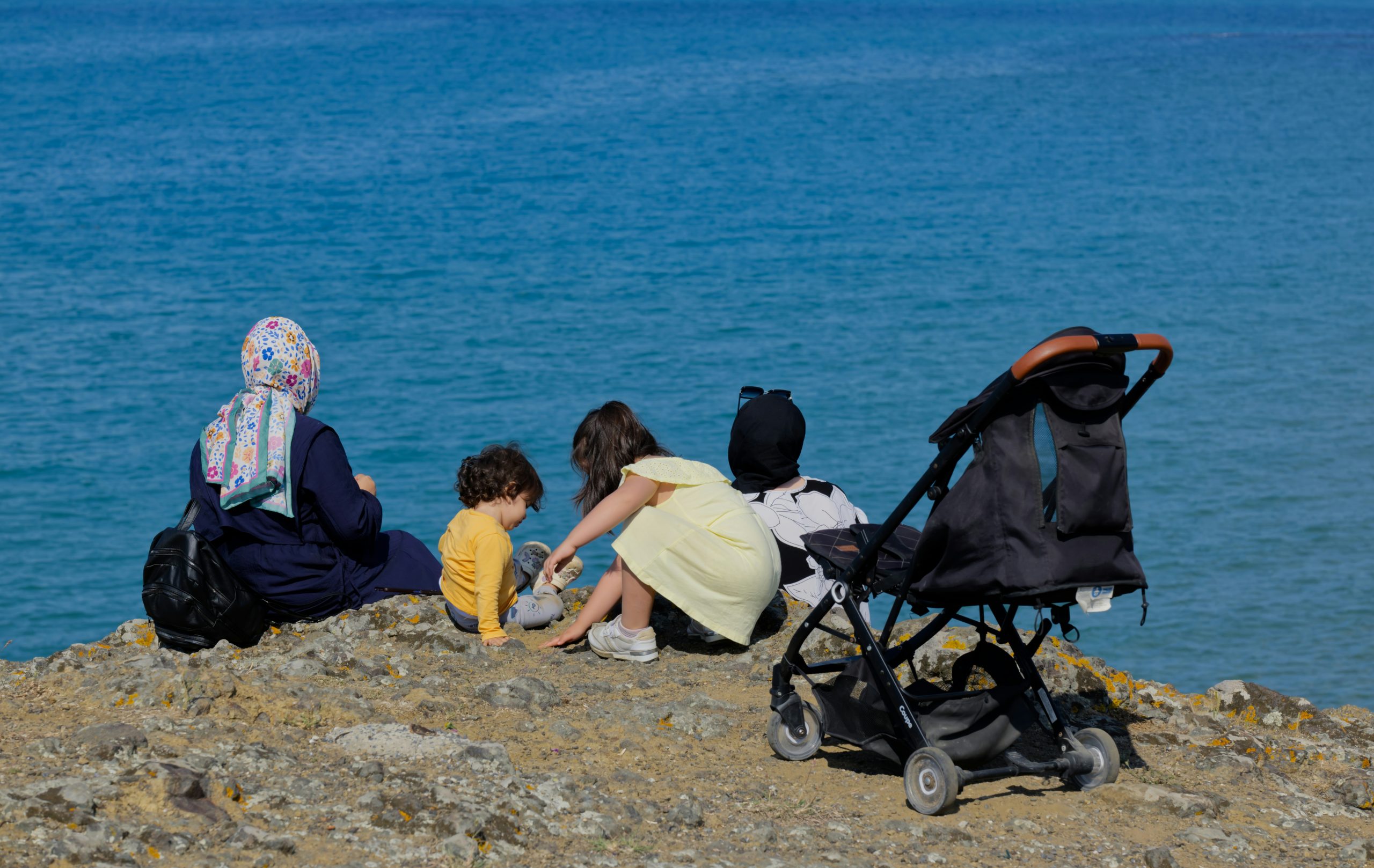
Many parents describe the same pattern. In the store, a cheaper stroller feels acceptable.
It rolls. It folds. It doesn’t scream “bad.” The problems tend to surface only after weeks or months of real use.
City sidewalks introduce vibration that smooth store floors never reveal. Repeated curb bumps stress frames. Daily folding loosens joints. Over time, budget strollers are more likely to feel rattly, stiff, or unpredictable when turning.
This doesn’t mean cheaper strollers are useless. It means they are often designed for occasional use. When asked to perform like a daily commuter, their limits become clear.
What You Actually Pay For When You Spend More
Higher-priced strollers are not expensive simply because of branding. They tend to improve in areas that matter most in urban environments.
Suspension and ride quality reduce vibration and help babies stay comfortable on long walks. This is especially noticeable during the infant stage.
Wheel and bearing quality affects how smoothly a stroller turns and how much effort is required to push it. Better components mean less resistance and better one-handed control.
Frame durability matters when a stroller is folded, unfolded, and bumped over curbs daily. Premium frames tend to stay stable and quiet far longer.
Apartment Living Adds Hidden Friction
City living often means apartments, not houses. Hallways are narrow. Elevators are small. Storage is limited.
A stroller that is only slightly awkward to maneuver becomes a daily annoyance when you have to angle it into an elevator, fold it in a tight entryway, or carry it up a short flight of stairs.
This is why many city parents emphasize not just how a stroller pushes, but how it folds, stands, and fits into their specific living space. These details rarely matter in a showroom, but they matter a lot at home.
Resale Value Changes the Math
One reason premium strollers make more sense in cities is resale. Urban secondhand markets are strong, and higher-quality strollers tend to hold value well.
Many parents sell their stroller after years of use and recover a meaningful portion of the original price. When viewed this way, the true cost becomes depreciation rather than full retail.
Buying used can also be a smart strategy, as long as the frame and wheels are in good condition. Car seats, however, should always be purchased new.
One Child or Two? This Decision Matters More Than Expected
Family planning quietly influences stroller satisfaction. Parents who later have a second child often realize they would have chosen differently the first time.
In dense cities, inline single-to-double strollers are often more practical than side-by-side designs, which can struggle on narrow sidewalks and public transportation.
Many parents only realize this after the fact. Their experiences are shared in what parents wish they knew before buying their first stroller.
The Emotional Cost of a Bad Stroller
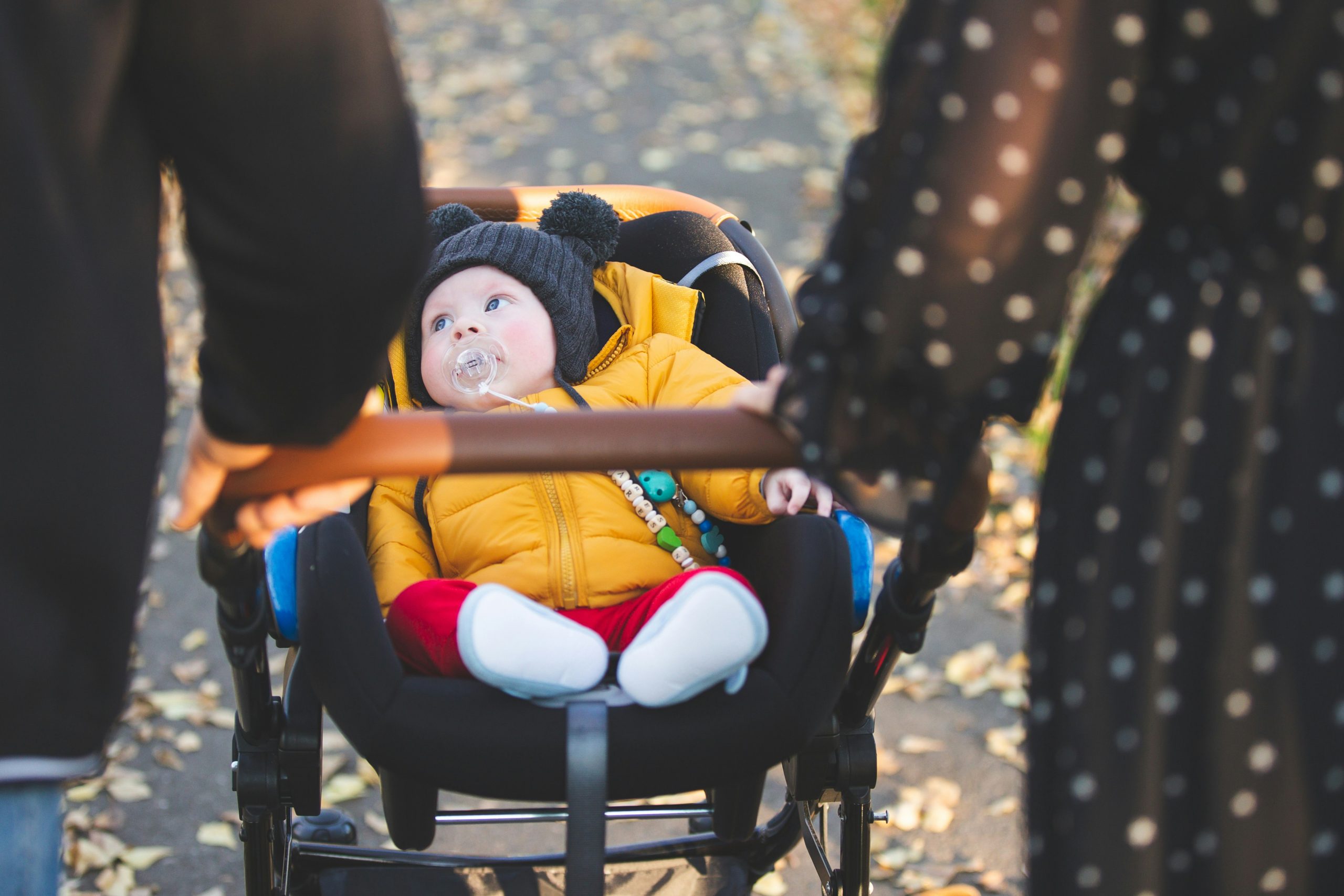
One factor rarely discussed is emotional friction. A stroller that fights you at every turn adds stress to already busy days. Over time, that frustration compounds.
Parents often describe the relief of switching to a better-fitting stroller as subtle but real. Walks feel smoother. Errands feel shorter. The stroller fades into the background instead of demanding attention.
When a Cheaper Stroller Makes Sense
Spending less can be the right call if your usage is light. Parents who drive most places or use a stroller only occasionally may never notice the advantages of premium suspension or frames.
The problem arises when a stroller meant for occasional use is asked to perform like a daily commuter. That mismatch is where dissatisfaction tends to appear.
Final Verdict
For city parents who walk daily and rely heavily on their stroller, higher-end models often earn their price through comfort, durability, and resale value.
For others, a more affordable stroller may be the right and intentional choice. The goal is not to buy expensive. The goal is to buy aligned with how you actually live.